

If your lawn is looking more “crispy Kansas summer” than a lush green welcome mat, this is your rescue window. Early fall is one of the best times to help a fescue lawn recover from heat, drought stress, thinning turf, compacted soil, and bare patches.
At Greenbelt Lawns, we call it the Great Fescue Rescue. The goal is not a quick cosmetic fix. It is to create a thicker, healthier, more resilient lawn that can handle Wichita weather with fewer headaches next year.
Cooler days, warm soil, and the return of more consistent moisture make fall a strong season for aeration and overseeding cool-season turf like tall fescue. Aeration helps water move into compacted soil, while overseeding introduces new grass plants into thin areas.
If that sounds like a lot to coordinate between work, family, sprinkler schedules, and Kansas weather, you can always hit the easy button and call Greenbelt Lawns. We can help you determine what your lawn needs now and make a practical plan for the season ahead.
Why Fall Is Fescue Rescue Season
Tall fescue can survive Kansas summers, but surviving is not always the same as thriving. By September, many Wichita lawns show the evidence:
- Thin or bare spots from heat, traffic, pets, or drought
- Hard, compacted soil that sheds water instead of soaking it in
- Brown or tired-looking turf that never fully bounced back after summer
- Weeds taking advantage of open spaces in the lawn
- Uneven growth caused by poor sprinkler coverage
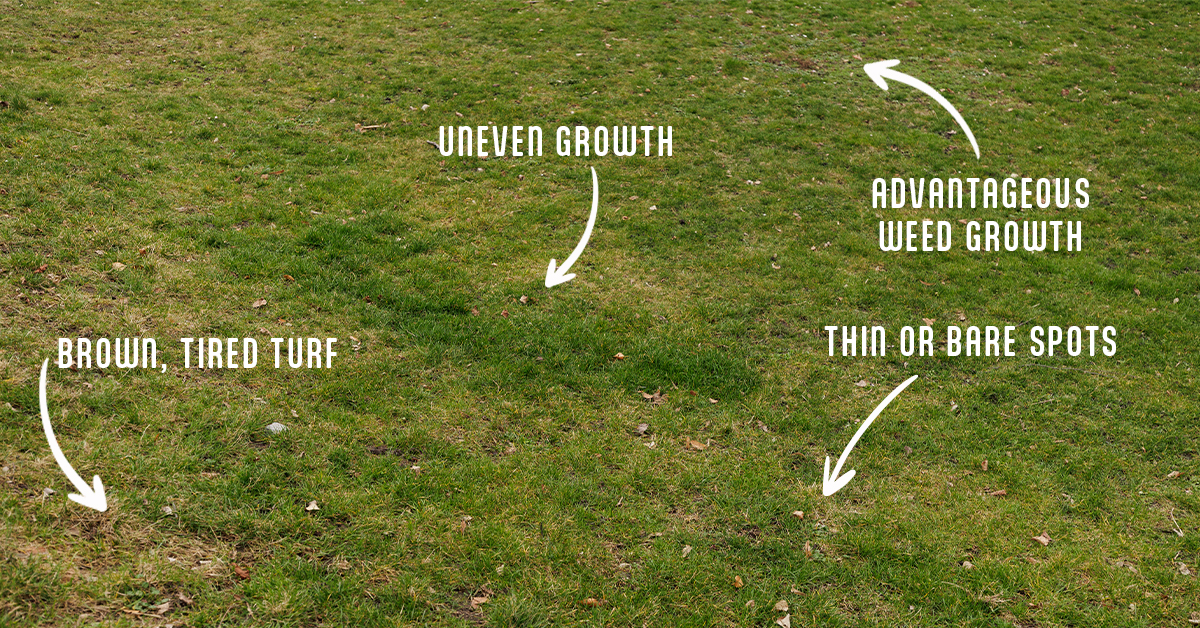
The good news is that fescue naturally prefers the cooler conditions of fall. The soil is still warm enough to support seed germination, while cooler air reduces stress on young grass plants. September is commonly a prime overseeding period for fescue lawns, especially when new seedlings have several weeks to establish before hard winter weather arrives.
Think of fall lawn care as an investment in next spring. A thicker lawn established now can look better sooner when the growing season returns.
Not sure whether your lawn needs aeration, overseeding, fertilizer, irrigation changes, or all of the above? Hit the easy button. Greenbelt Lawns can take the guesswork out of your fall lawn recovery plan.
Start With Core Aeration
Core aeration is one of the most useful reset buttons for a compacted or struggling lawn. A core aerator removes small plugs of soil and turf, creating openings that help air, water, and nutrients move into the root zone.
Those little plugs on the lawn may not look glamorous for a few days, but they are doing important work.
Core aeration can help your lawn by:
- Reducing soil compaction
- Improving water infiltration
- Supporting deeper root development
- Giving new seed better contact with the soil
- Helping fertilizer and organic matter reach the root zone
- Encouraging a thicker, more durable fescue lawn
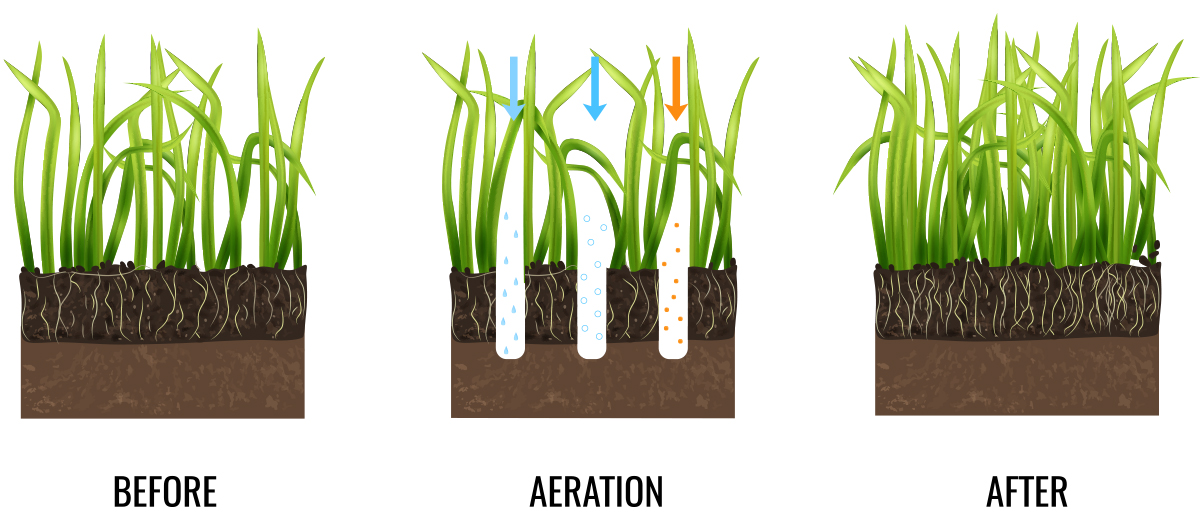
For the best results, aerate when the soil is moist but not muddy. If the ground is dry and hard, water deeply the day before. Moist soil allows the machine to pull clean cores instead of bouncing across a hard surface.
Do not bag the soil plugs after aeration. Leave them on the lawn. They break down naturally and return soil and organic material to the turf.
Renting equipment, loading it into the vehicle, learning how to use it, and spending a weekend aerating is one option. Hiring Greenbelt Lawns is another. If you would rather hit the easy button, our team can help you get the job done without turning your Saturday into a lawn equipment project.
Overseed Thin Fescue Lawns
Aeration opens the door. Overseeding brings in the reinforcements.
Overseeding means spreading grass seed into an existing lawn to thicken thin turf, fill minor bare areas, and improve the lawn’s overall density. For a fescue lawn, this is a practical way to refresh the yard without starting from scratch.
A thicker lawn can help crowd out weeds, improve curb appeal, soften the look of worn areas, and make the entire property feel more established.
For a successful overseeding project:
- Mow a little shorter than usual and remove excess clippings so seed can reach the soil.
- Core aerate, especially if the lawn feels hard or has heavy foot traffic.
- Apply a high-quality seed blend appropriate for your lawn and local conditions.
- Make sure seed reaches bare and thin areas evenly.
- Follow with the right fertility plan, if appropriate.
- Keep the seedbed consistently moist while new grass germinates.
Seed needs reliable seed-to-soil contact, not wishful thinking. Aeration holes help create small pockets where seed can settle, which is one reason aeration and overseeding make such a good fall pair.
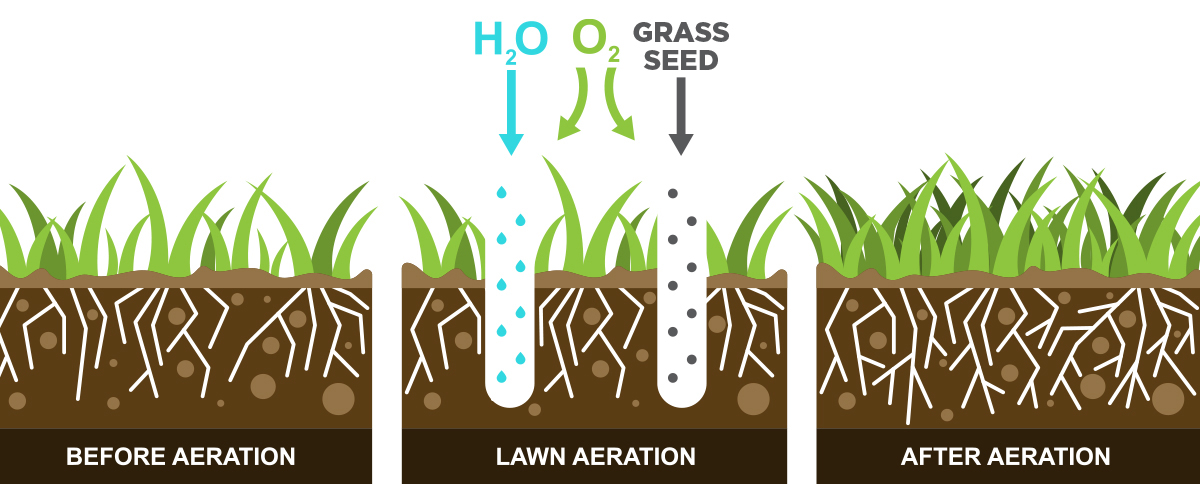
Overseeding looks simple until you are trying to choose seed, calculate coverage, spread it evenly, plan watering, and avoid treatments that may interfere with germination. For a smoother route, hit the easy button and ask Greenbelt Lawns about your lawn’s best next step.
Adjust Sprinklers For New Seed
Your summer watering plan is not your overseeding watering plan.
Established lawns generally benefit from less frequent, deeper watering. New fescue seed needs something different at the beginning: light, frequent watering that keeps the top layer of soil consistently moist.
For the first couple of weeks after overseeding, you may need short irrigation cycles once or several times per day depending on sun exposure, rainfall, slope, soil type, and sprinkler coverage. The goal is to prevent the seed and top layer of soil from drying out, not to create puddles or runoff. As new grass establishes, gradually transition toward deeper, less frequent watering to encourage roots to grow down into the soil.
Before you start, take a few minutes to check your sprinkler system:
- Make sure heads are upright and not blocked by grass, mulch, or shrubs.
- Adjust heads that are watering sidewalks, driveways, or the side of the house.
- Check that spray patterns overlap enough to cover thin and bare areas.
- Watch for runoff, pooling, and dry zones.
- Repair broken or clogged heads before new seed goes down.
- Use local rainfall as part of your watering plan.

A simple sprinkler adjustment can make the difference between a patchy overseeding job and a lawn that comes in more evenly.
If your sprinklers have a mind of their own, do not let irrigation frustrations stop your lawn rescue. Greenbelt Lawns can help you adjust your sprinklers, so you know what new seed needs and when it needs it.
Do Not Let Weeds Ruin The Rescue
A thin lawn gives weeds an invitation. A thicker fescue lawn makes the yard less welcoming to many unwanted plants.
However, timing matters. Some weed-control products can interfere with seed germination or harm young grass plants. If you are planning to overseed, do not assume that your usual weed-and-feed or pre-emergent treatment belongs in the same weekend.
Pre-emergent herbicides are designed to stop seeds from germinating, which is useful for preventing weeds but not helpful when you want grass seed to grow. Before applying any weed-control product, read the label carefully and consider your overseeding schedule.
This is another place where hitting the easy button can prevent a frustrating mistake. Greenbelt Lawns can help you plan seasonal weed-and-feed care around your overseeding goals, so your lawn-care services support new grass rather than getting in its way.
Give Your Lawn A Sustainable Advantage
The Great Fescue Rescue is about more than getting greener grass for a photo. It is about building a lawn that is better prepared for real-life Wichita conditions.
Greenbelt Lawns’ Sustainable Lawn Care program takes a conservation-minded approach to lawn care. Rather than treating every lawn exactly the same, the focus is on helping lawns become healthier, more resilient, and easier to manage over time. Greenbelt Lawns offers sustainable lawn care and weed-and-feed services without requiring a contract.
A sustainable approach can include:
- Improving soil conditions instead of only chasing top growth
- Building thicker turf that naturally competes better with weeds
- Reducing wasteful sprinkler overspray and runoff
- Choosing lawn-care practices that fit the property’s actual conditions
- Supporting durable turf that can better handle heat, traffic, and seasonal stress
- Considering low-input lawn options, including conservation-minded approaches such as the company’s Unicorn Lawn concept, which combines grass and clover while avoiding herbicides.
Every yard has different sun exposure, soil challenges, traffic patterns, irrigation coverage, and homeowner goals. The best lawn plan is one that works with those realities.
Want a healthier lawn without trying to become a lawn-care expert overnight? Hit the easy button and talk with Greenbelt Lawns about the Sustainable Lawn Care program. It is designed for homeowners who want practical lawn care with a more thoughtful, long-term approach.
Your Great Fescue Rescue Checklist
If your Wichita lawn looks tired after summer, here is a simple fall recovery plan:
- Mow and remove excessive clippings, leaves, and debris.
- Check for compacted soil and schedule core aeration if needed.
- Overseed thin areas with quality fescue seed.
- Keep new seed consistently moist with adjusted sprinkler settings.
- Avoid products that could prevent grass seed from germinating.
- Watch for weeds, but time treatments carefully around seeding.
- Feed the lawn according to its needs and your overseeding plan.
- Choose a long-term lawn-care program that supports healthier soil and more resilient turf.
Or, skip the equipment rental, seed calculations, sprinkler troubleshooting, and second-guessing. Hit the easy button and let Greenbelt Lawns help with your fall fescue rescue.

Text Greenbelt Lawns This Month
Do not wait until spring to discover that your fescue lawn needed help in fall. The weeks ahead are a valuable opportunity to aerate, overseed, correct irrigation issues, and set your lawn up for a stronger comeback.
Text Greenbelt Lawns today at 316-285-0562 to ask about the Sustainable Lawn Care program, weed-and-feed services, and practical options for rescuing a thin, stressed, or patchy Wichita lawn. Greenbelt Lawns accepts calls and texts Monday through Friday from 8 a.m. to 5 p.m. and Saturdays from 8 a.m. to noon. Or you can fill out and submit our free estimate form any time of day.
Your lawn has made it through another Kansas summer. Now hit the easy button and give it the Great Fescue Rescue it deserves.